Defining the Essence of Neo-Minimalism
Neo-minimalism, often referred to as neo-geometric or neo-geo, is a progressive design movement that emerged in the late 20th and early 21st centuries. This intricate art form represents a response to traditional minimalism, pushing the boundaries of simplicity further by emphasizing both subtraction and thoughtful composition. It encourages designers to strip away unnecessary details, refining their creations to focus on essential elements, bold typography, and striking colors. The result is a visually impactful design that resonates deeply with contemporary audiences.
Tracing the Evolution of Neo-Minimalism
To fully grasp the concept of neo-minimalism, one must first revisit its predecessor: minimalism itself. Originating in post-World War II art scenes, minimalism arose as a counter-narrative to abstract expressionism, which often conveyed emotions through spontaneity yet resulted in a chaotic visual experience. In stark contrast, minimalism prioritizes clear shapes and colors, asserting its strength through restraint and balance. This evolution laid the groundwork for neo-minimalism’s rise, serving as an inspiration for artists and designers who sought new means of expression.
The Principles of Neo-Minimalist Design
Neo-minimalist design is characterized by several key principles that guide its application. Here are five crucial tenets to consider when exploring this art form:
- Simplicity over Complexity: Reducing visual clutter enables greater clarity and focus on the fundamental message.
- Emphasizing Negative Space: By strategically utilizing negative space, designers can create dynamic compositions that enhance visual interest.
- Vivid Color Usage: A carefully curated color palette can evoke emotional responses and draw attention to specific elements within the design.
- Bold Typography: Strong typographic choices become focal points, infusing designs with character while maintaining simplicity.
- A Harmonious Composition: Balancing elements within a clean layout fosters a sense of unity and coherence across the design.
The popularity of neo-minimalism has surged in recent years, making it a highly sought-after technique among graphic designers. Its ability to communicate complex ideas through straightforward visuals aligns well with contemporary communication methods. As brands strive to engage younger audiences in an increasingly crowded marketplace, embracing styles like neo-minimalism may prove beneficial.
This design approach doesn’t merely signify a trend but rather challenges designers to reconsider their creative processes. Emphasizing clarity and impact can reshape how visuals are perceived in an age oversaturated with imagery. By practicing the principles of neo minimalism, artists can elevate their craft while simultaneously resonating with the ethos of modern society.
Neo-Minimalism in Various Art Forms
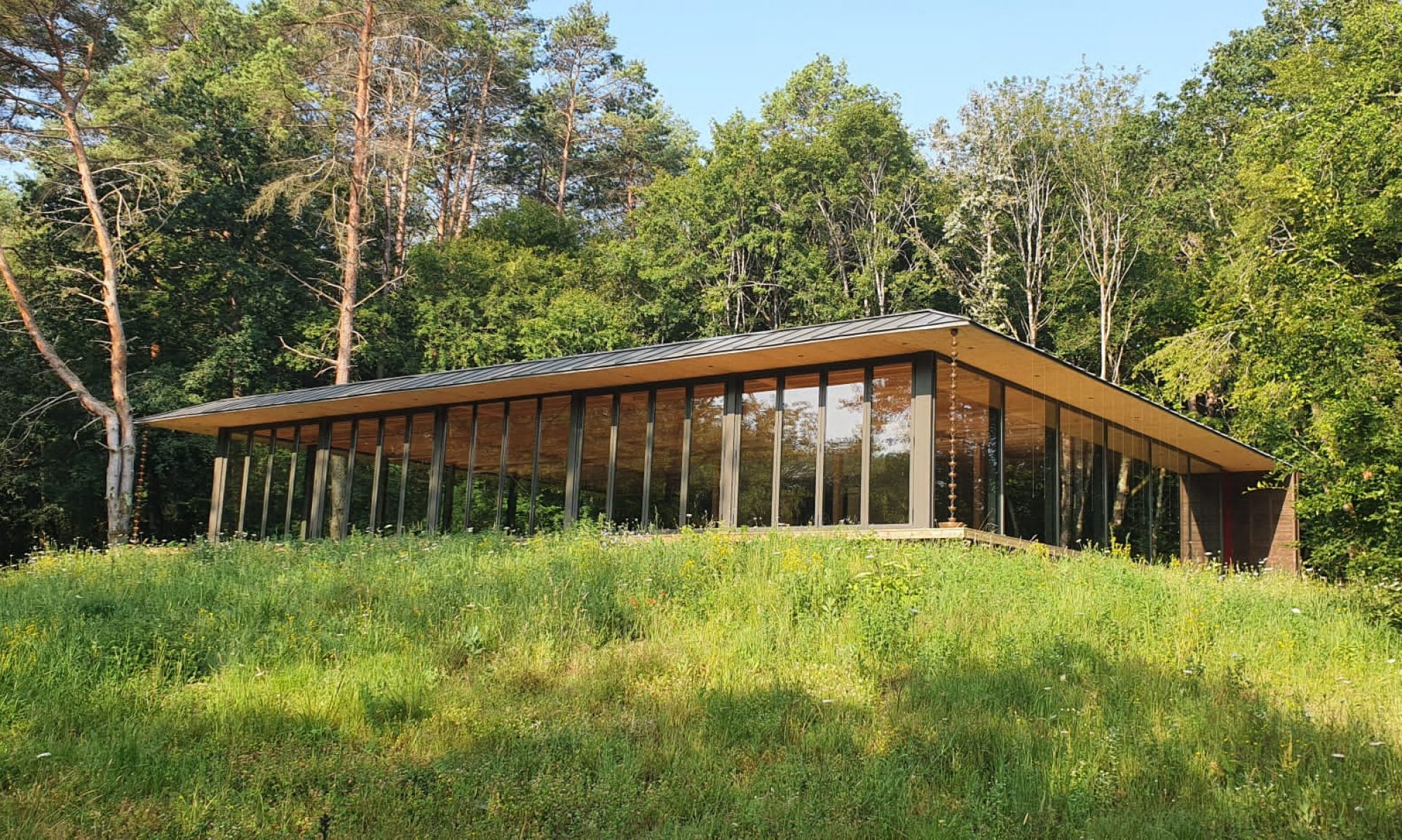
The influence of neo-minimalism isn’t confined to graphic design; it permeates various art forms including architecture, product design, and even fashion. In architecture, for example, structures characterized by sleek lines and open spaces exemplify this aesthetic—think of iconic buildings like those designed by Tadao Ando or Zaha Hadid that showcase not just form but also an existential elegance. Their use of light and shadow enhances negative space, lending depth without overcrowding the composition.
In product design, brands like Apple have famously embraced minimalist philosophies that perfectly align with neo-minimalist ideals. Each product—be it an iPhone or a MacBook—is refined down to its essential elements, allowing functionality to take precedence while still providing elegance through simplistic beauty.
Fashion has experienced a similar correlation, evident in collections from high-end labels practicing ‘less is more’. For instance, designers like Jil Sander prioritize clean lines and neutral palettes that allow textures and cuts to speak for themselves—instead of vibrant patterns or excessive embellishments—showing that sometimes simplicity leaves the most profound impact.
This cross-disciplinary dialogue not only reinforces neo-minimalism’s versatility but also highlights its potential for innovation across various media. Artists who engage with this movement are encouraged to explore how different practices influence one another while staying true to core minimalist values. The collective forward-looking standpoint invites creativity beyond established conventions while encouraging community dialogue about visual experiences in modern culture.
In conclusion, neo-minimalism symbolizes more than just an aesthetic choice; it embodies a methodology that fosters creativity through reduction and intentionality. Its influence on infographic design exemplifies how art movements continue to evolve while remaining deeply interconnected.
The Role of Technology in Neo-Minimalism
In the context of neo-minimalism, technology does not merely serve as a tool but rather as a fundamental component of its artistic expression. With advancements in digital art software and platforms, artists are now empowered to achieve precision and clarity in their work, allowing for a more refined exploration of minimalistic ideals. For example, digital artists can create intricate compositions while maintaining the clean lines and spacious aesthetics characteristic of neo-minimalism.
Moreover, social media platforms have transformed how these artworks are shared and consumed, leading to a democratization of minimalistic art. Artists leverage these channels not only to reach broader audiences but also to curate their identities in an increasingly visual culture. Interactivity becomes a significant attribute; audiences often engage with minimal art in multifaceted ways that transcend the traditional viewer-artwork relationship.
Case Studies: Neo-Minimalism in Architecture
Architecture serves as a prominent field where neo-minimalism flourishes, marrying form and function within strikingly clean spaces. For instance, the works of architects like Tadao Ando epitomize the philosophy of less is more through their integration of nature and light, resulting in serene environments that promote reflection. The simplistic design ethos honors sustainable practices while challenging notions of grandeur often associated with architectural masterpieces.
Additionally, buildings that exhibit neo-minimalist characteristics often prioritize user experience, emphasizing open spaces and natural materials. This focus creates an environment conducive to mental clarity and wellbeing—factors increasingly relevant in urban planning today. As designers embrace this approach, structures evolve into communal hubs that foster interaction, illustrating that modern architecture can communicate powerful ideas without overwhelming complexity.